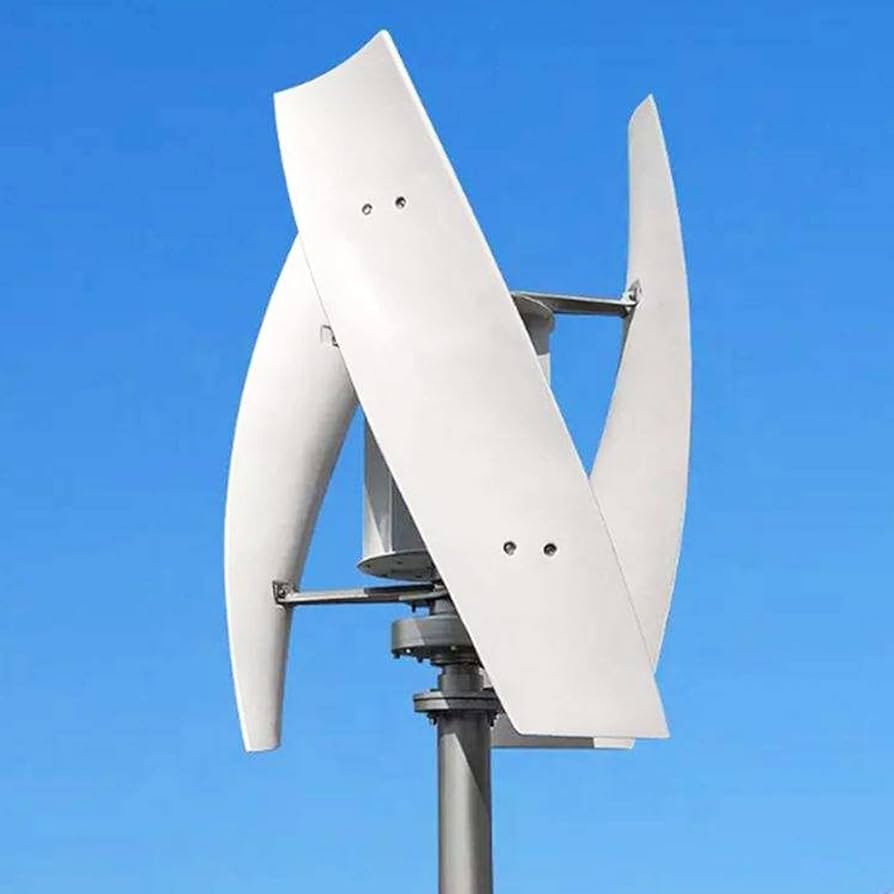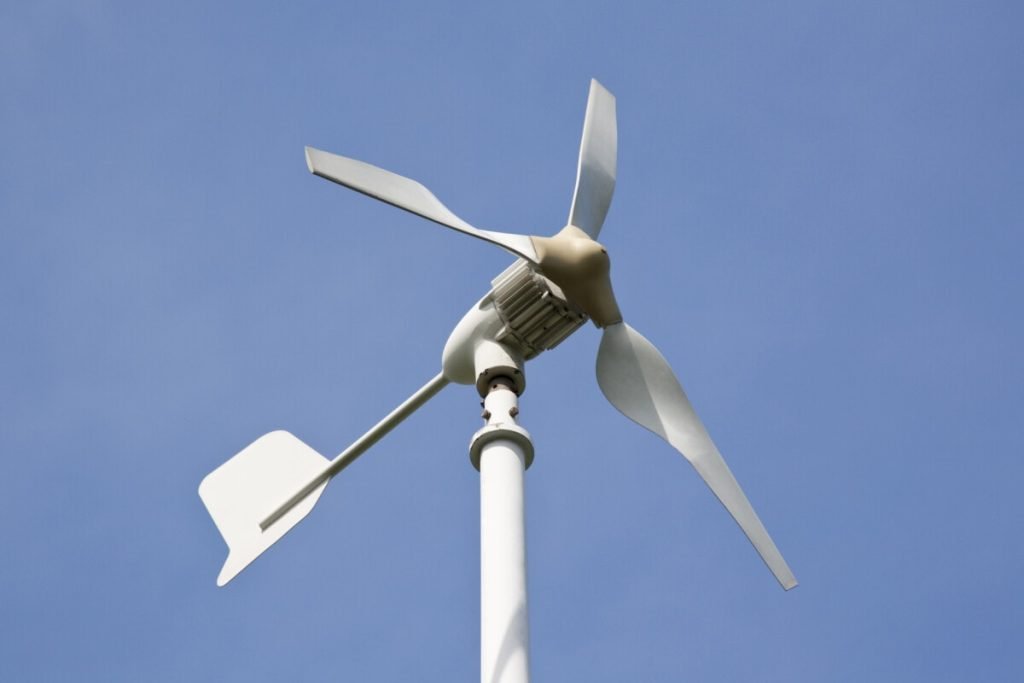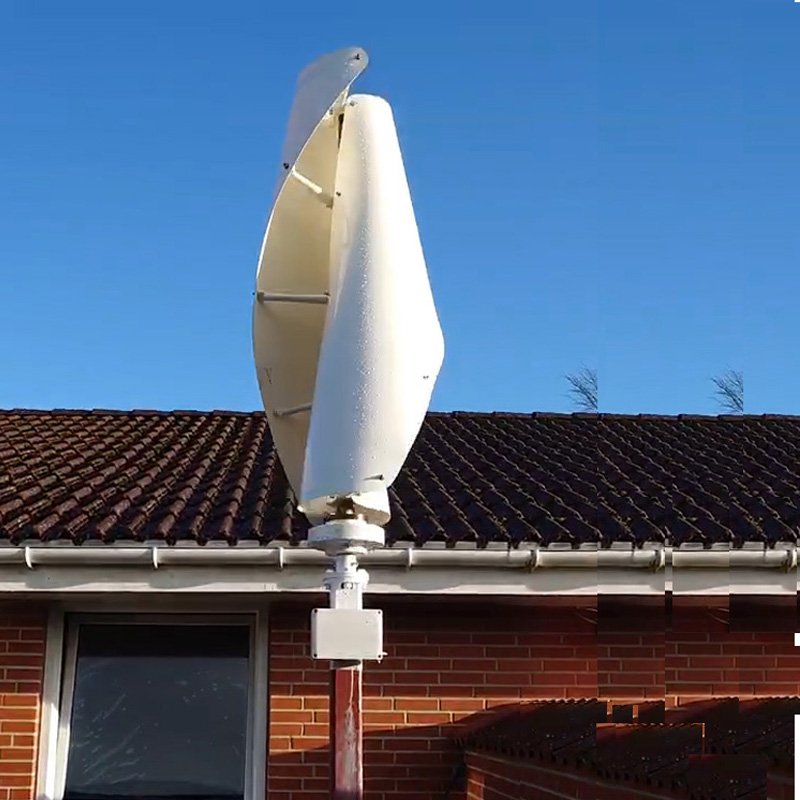
As the global demand for clean energy accelerates, residential renewable energy systems are no longer considered alternative solutions—they are becoming essential components of modern living. While solar panels have dominated headlines for years, home wind turbines are rapidly emerging as a powerful and practical solution for homeowners seeking energy independence. Companies like MCLAIN CYVRA LLC are helping drive this transformation by making residential wind systems more accessible, efficient, and reliable than ever before.
The Rising Need for Decentralized Energy
Traditional energy grids face growing challenges: rising electricity costs, extreme weather disruptions, aging infrastructure, and increasing environmental regulations. Homeowners are beginning to realize that relying solely on centralized power systems can be both financially and strategically risky.
Residential wind turbines offer decentralized energy production. Instead of depending entirely on utility providers, homeowners can generate electricity directly on their property. This approach enhances energy security, reduces monthly expenses, and supports sustainability goals.
How Residential Wind Turbines Work
A home wind turbine converts kinetic energy from wind into electricity. When wind turns the blades, it spins a rotor connected to a generator. The generator converts mechanical motion into electrical energy, which can either power the home directly, charge battery storage systems, or feed back into the grid where net metering programs are available.
Modern systems are engineered to operate efficiently even in moderate wind speeds, making them viable in many geographic regions beyond traditionally windy areas.
Key Advantages of Home Wind Systems
1. Energy Independence
Generating power onsite reduces reliance on utility companies and shields homeowners from fluctuating electricity rates.
2. Long-Term Cost Savings
While the initial investment can be significant, wind turbines typically operate for 20–25 years. Over time, energy savings often offset installation costs.
3. Environmental Impact
Wind energy produces zero direct emissions. A single residential turbine can significantly reduce a household’s carbon footprint.
4. Complementary to Solar
Wind systems often produce more power during seasons or times of day when solar panels are less productive, making hybrid renewable setups highly effective.
Technological Improvements Driving Adoption
Residential wind technology has improved dramatically over the past decade. Modern turbines are:
- Quieter
- More compact
- More efficient at lower wind speeds
- Designed with advanced materials for durability
- Equipped with smart monitoring systems
These innovations have addressed many of the concerns that once limited adoption.
Site Suitability and Installation Considerations
Not every property is ideal for wind energy. Key factors include:
- Average annual wind speed
- Property size
- Local zoning regulations
- Tower height allowances
- Obstructions such as trees or buildings
Professional site assessments are crucial to determine feasibility and optimize system performance.
Economic Incentives and Policy Support
Many regions offer incentives to encourage renewable energy adoption, including:
- Federal tax credits
- State rebates
- Renewable energy certificates
- Net metering programs
These incentives can significantly reduce upfront costs and accelerate return on investment.
Challenges and Misconceptions
Despite growing interest, misconceptions still exist:
- “Wind turbines are too noisy.”
Modern residential turbines are engineered for quiet operation. - “They only work in rural areas.”
While open space is beneficial, many suburban properties can support properly sized systems. - “Maintenance is complicated.”
Routine inspections and occasional servicing are typically sufficient.
Education plays a key role in overcoming these barriers.
The Role of Companies Like MCLAIN CYVRA LLC
Industry growth depends on knowledgeable suppliers who understand residential needs. Companies specializing in home wind systems provide:
- Tailored product recommendations
- Technical guidance
- Installation coordination
- Ongoing customer support
This expertise ensures homeowners maximize system performance and long-term value.
Looking Ahead
The global transition toward renewable energy is accelerating. As battery storage improves and smart grid technologies evolve, residential wind systems will become even more integrated into everyday living.
Home wind turbines are not merely an alternative—they are becoming a strategic investment in financial stability, sustainability, and energy independence.