As renewable energy becomes more mainstream, homeowners face an important question: should they invest in solar panels, wind turbines, or a combination of both? Understanding the strengths and limitations of each technology is essential for making informed decisions.
Solar Energy: The Current Leader
Solar panels convert sunlight into electricity using photovoltaic cells. They are widely adopted due to:
- Decreasing installation costs
- Strong government incentives
- Minimal moving parts
- Low maintenance requirements
However, solar systems depend entirely on sunlight availability.
Wind Energy: The Underestimated Powerhouse
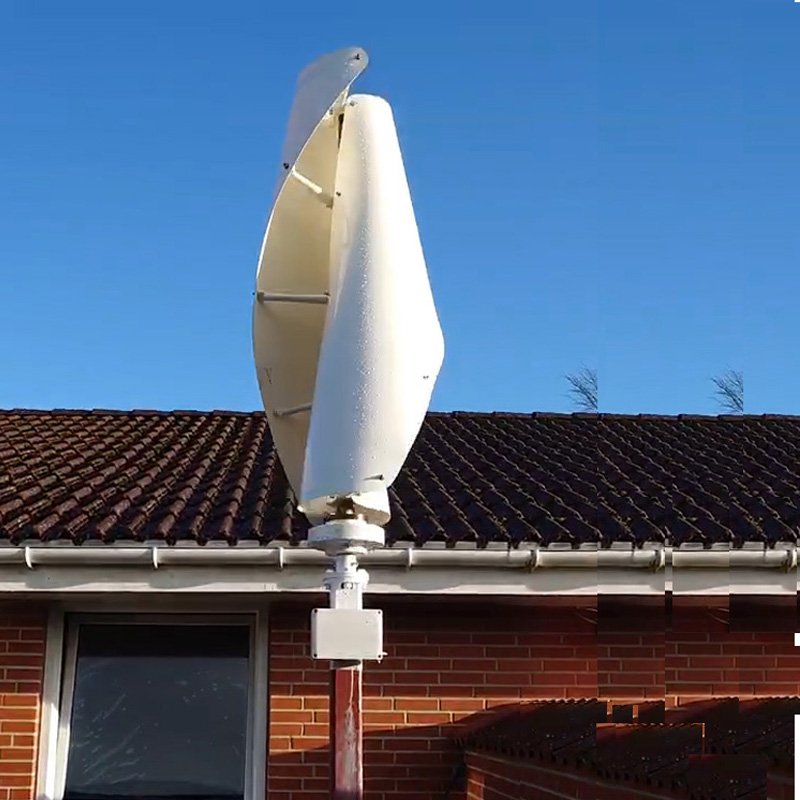
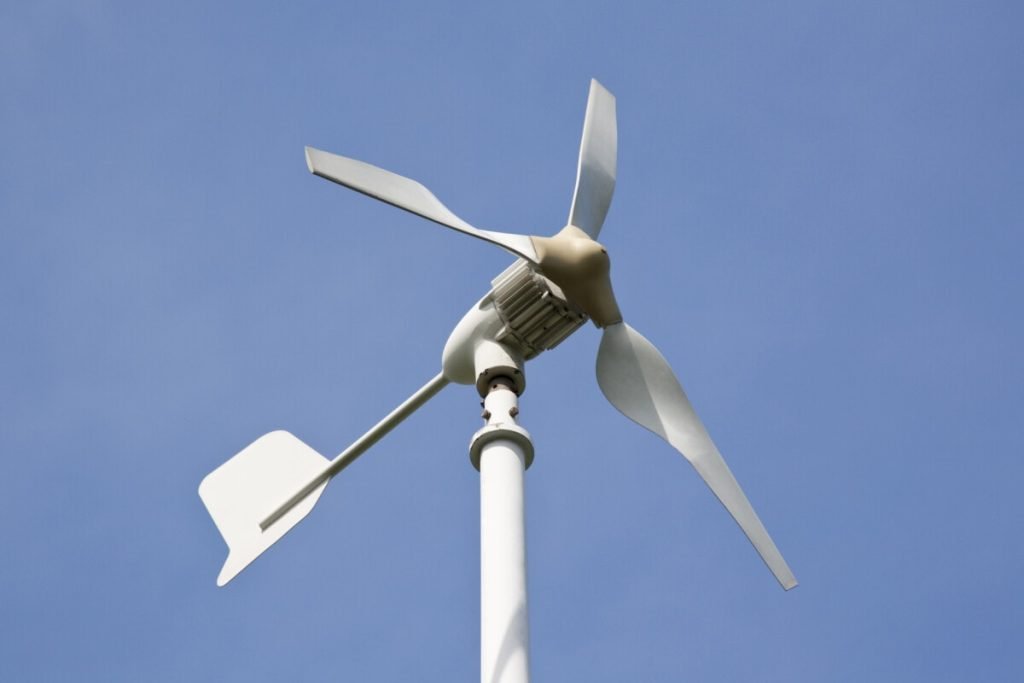
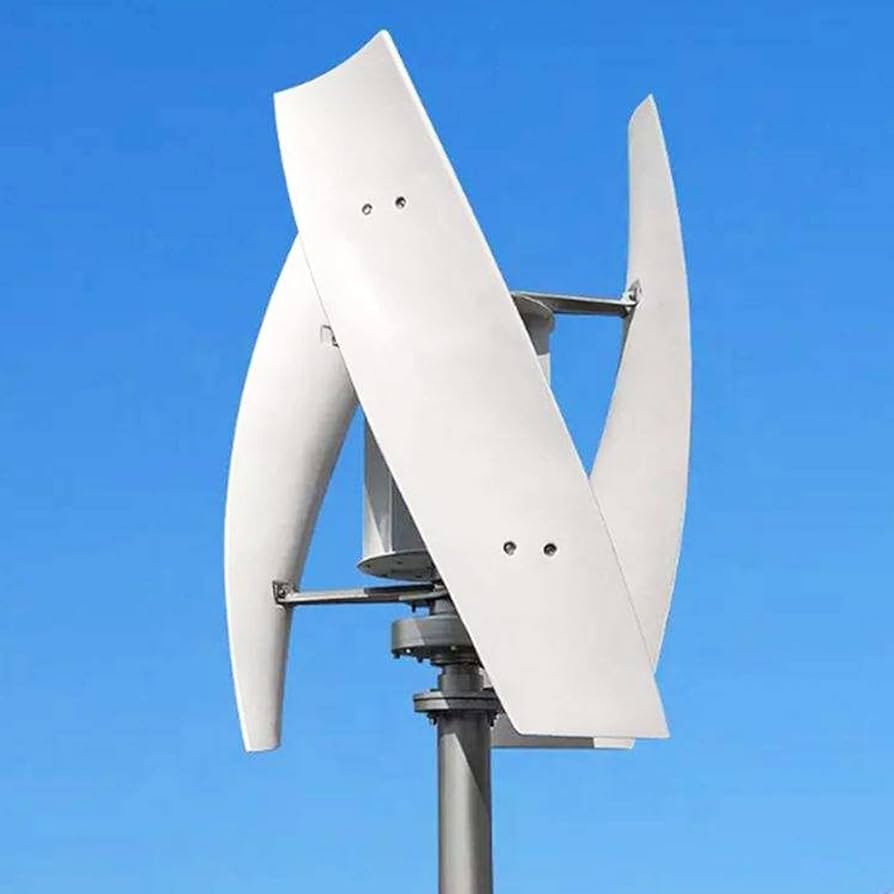
Residential wind turbines generate electricity from wind motion. Unlike solar panels, wind systems can operate day and night, provided sufficient wind speeds are present.
Wind energy can be particularly advantageous in areas where:
- Average wind speeds exceed 9–10 mph
- Cloud cover is frequent
- Winter sunlight hours are limited
Performance Differences
Energy Production Patterns
Solar:
- Peak production during midday
- Lower output during cloudy weather
- Minimal winter generation in some regions
Wind:
- Often stronger at night
- Higher output during storm seasons
- Consistent in windy climates year-round
This complementary pattern makes hybrid systems highly efficient.
Installation Requirements
Solar panels:
- Installed on rooftops or ground mounts
- Require adequate sun exposure
- Minimal structural changes
Wind turbines:
- Require tower installation
- Need open airflow
- Must meet zoning regulations
Proper planning is critical for both systems.
Cost Comparison
Upfront costs vary depending on system size and location. Wind systems may require higher initial structural investment (tower installation), while solar systems are generally easier to install.
However, in high-wind areas, turbines may generate more energy per dollar invested over time.
Maintenance Considerations
Solar:
- Occasional cleaning
- Inverter replacement after 10–15 years
Wind:
- Mechanical inspections
- Blade and bearing maintenance
- Tower checks
Both systems require professional servicing for optimal performance.
Environmental Impact
Both solar and wind produce zero operational emissions. Wind turbines typically require fewer rare-earth materials than some solar panel technologies, though manufacturing impact varies.
Hybrid Systems: The Best of Both Worlds
Combining wind and solar systems offers:
- More consistent year-round production
- Reduced battery storage needs
- Increased resilience during outages
Hybrid systems are particularly effective in rural or semi-rural properties.
Choosing the Right Solution
Homeowners should evaluate:
- Local climate data
- Property size
- Energy consumption patterns
- Budget
- Long-term goals
Professional consultation ensures the selected system aligns with real-world conditions.
The Growing Role of Residential Wind
While solar remains dominant, wind energy is experiencing renewed attention. Improved turbine designs, better battery integration, and rising electricity costs are making wind systems increasingly attractive.
Companies focused on residential wind solutions are helping homeowners understand that renewable energy is not one-size-fits-all.