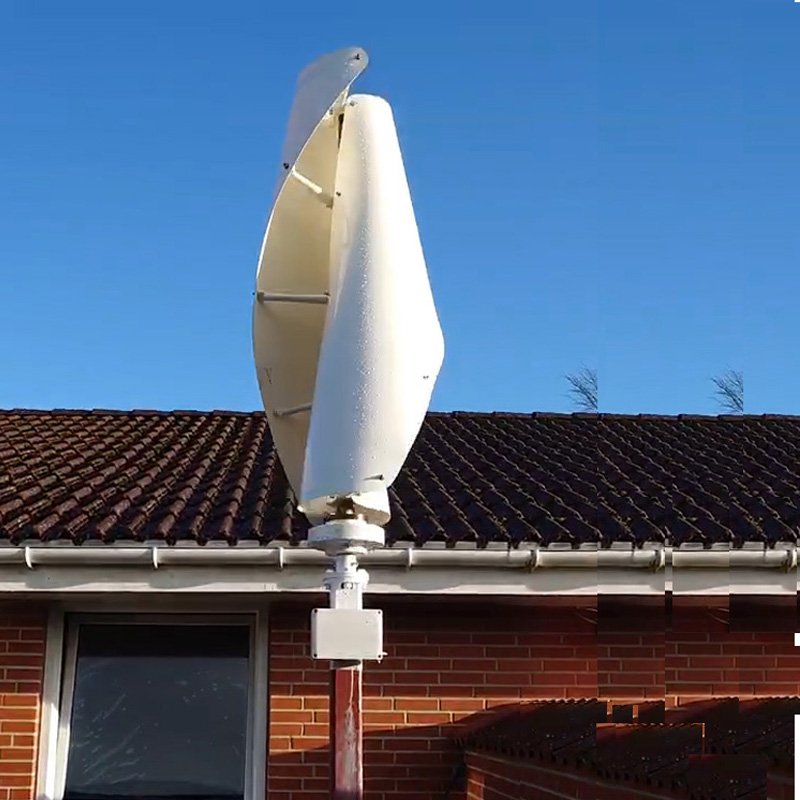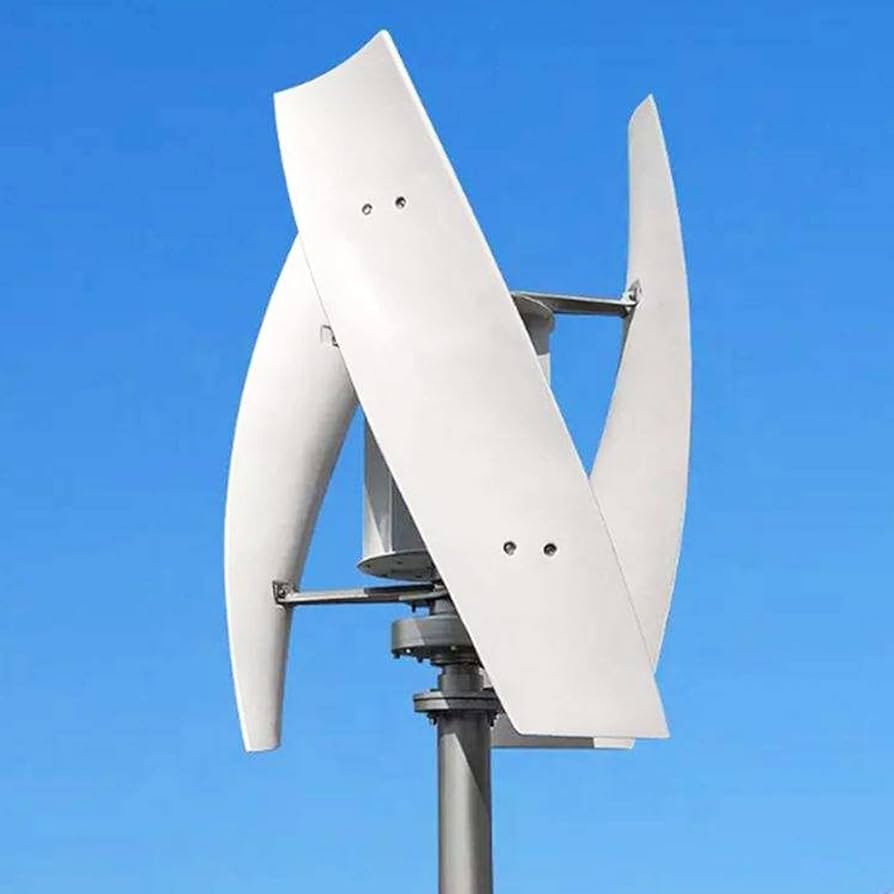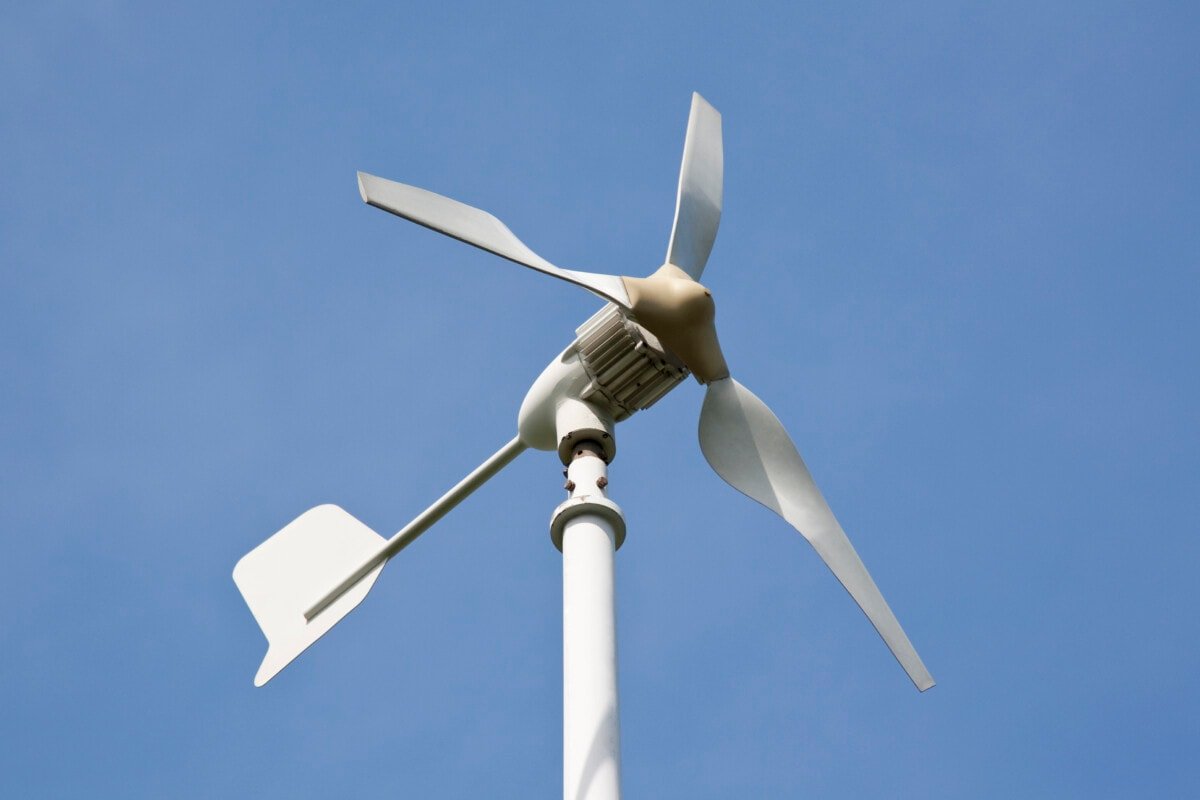
Energy independence is no longer a fringe concept—it is a growing priority for homeowners worldwide. Rising utility rates, grid instability, and environmental awareness are motivating individuals to seek alternative energy solutions. Residential wind turbines offer a powerful pathway toward long-term energy control and sustainability.
The Economics of Energy Independence
Electricity prices have shown consistent upward trends in many regions. Locking into a renewable system stabilizes long-term energy expenses.
When homeowners install wind turbines:
- They reduce reliance on grid electricity
- They protect against rate hikes
- They potentially earn credits through net metering
Over a 20-year lifespan, cumulative savings can be substantial.
Property Value Benefits
Homes equipped with renewable energy systems often attract:
- Environmentally conscious buyers
- Lower operating cost appeal
- Modern infrastructure perception
Energy-efficient properties may command higher resale value.
Technological Integration
Modern wind systems integrate seamlessly with:
- Smart home energy management systems
- Battery storage units
- Electric vehicle charging stations
This integration enhances convenience and maximizes energy usage efficiency.
Sustainability and Environmental Responsibility
Residential wind turbines contribute to:
- Reduced greenhouse gas emissions
- Decreased fossil fuel reliance
- Improved air quality
Even a small turbine can offset significant carbon output over its lifetime.
Resilience During Grid Failures
Extreme weather events increasingly disrupt power grids. Homes equipped with wind systems and battery storage can maintain partial or full power during outages.
This resilience is especially important in rural or storm-prone regions.
Overcoming Adoption Barriers
Some homeowners hesitate due to:
- Initial investment concerns
- Zoning uncertainties
- Lack of information
Clear guidance and professional support help overcome these challenges.
Long-Term Durability
Modern residential wind turbines are built with:
- Corrosion-resistant materials
- Advanced blade aerodynamics
- Intelligent braking systems
- Automated performance monitoring
With proper maintenance, systems can operate reliably for decades.
The Strategic Shift Toward Distributed Energy
Energy systems worldwide are transitioning from centralized power plants to distributed generation. Residential wind turbines represent a critical piece of this evolution.
Distributed systems offer:
- Grid load reduction
- Increased redundancy
- Enhanced local energy security
Conclusion
Residential wind energy is no longer experimental—it is practical, efficient, and financially viable in suitable environments. For homeowners seeking control, sustainability, and long-term savings, wind turbines provide a compelling solution.
As technology advances and awareness grows, residential wind energy will play an increasingly important role in shaping the future of home power generation.